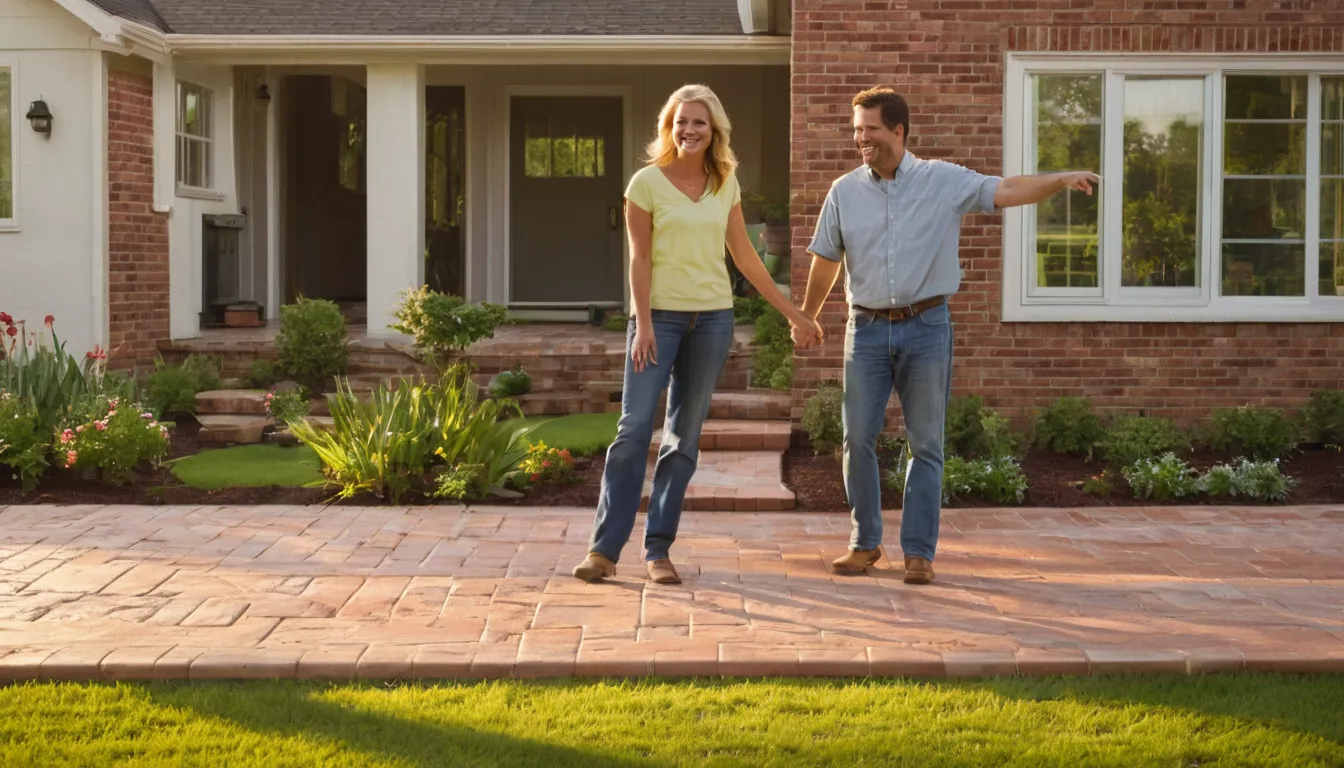
A new patio starts with a simple question: what will the ground under it do? Concrete is a lot like a thick cookie sheet. It looks solid, but it needs a flat, well-prepared base to stay flat. If the soil underneath moves or holds water, the slab can crack or tilt.
Aestheticsbylouise Concrete is a referral service. We connect homeowners in Bellaire, TX and the Bellaire area with independent local providers who build concrete patios. The providers do all the work. This page explains how a patio project goes, so you can ask good questions before anyone starts digging. We pay special attention to older homes and to busy households that want less disruption.
Start With the Ground, Not the Finish
Most people begin by picking a color or a shape. A patient provider begins by looking at the soil. Think of a patio like a table. A fancy tabletop does not help if one leg is short.
Look below first. That is the idea behind every good patio plan.
Why Many Homeowners Pick Concrete
Concrete is firm, flat and easy to shape. It handles heavy furniture, grills and planters without fuss. In hot, humid climates it does not rot or attract termites the way wood decks can.
It also suits many different looks. You can keep it plain, add color, or press a pattern into it.
Special Care for Older Homes
An older house has a story under its yard. There may be old patches, buried pipes, past repairs or a thin slab that was poured long ago. Think of it like renovating a kitchen in an old house. You open the wall and find surprises.
A good provider walks the site slowly. They look at how the old slab meets the house, and whether past work is still sound. Slow down, then pour.
Pier-and-Beam Houses
Some older homes sit on piers with a crawl space below. A patio next to that kind of house needs extra thought. Water must flow away, not toward the vents. Ask the provider how they plan to protect that open space.
Old Slabs Next to the New One
If your house has a slab-on-grade base, the new patio may sit right beside it. Providers often leave a small gap filled with flexible material. It lets two slabs move on their own, like two neighbors who need elbow room.
Request an Estimate
What a Patio Project Usually Includes
The job has a few clear parts. First comes a site visit and a measured plan. Then the area is cleared and the soil is shaped and packed. Forms are set to mark the edges. Concrete is poured, leveled and finished, then left to cure.
Your provider may also add reinforcing steel or mesh. That works like the rebar in a sturdy cake pan, helping the slab hold together as it ages.
Sizing Your Patio
Start by listing what you want to do out there. A bistro set needs far less room than a grill, a dining table and a lounge area. Sketch the furniture and leave space to walk around it.
Many homeowners wish they had gone a bit larger. Adding space later is possible, but a seam will show. Talk about growth before the pour.
Finish Options
A finish is the skin of the patio. The right one depends on how you use the space and how the sun hits it.
Broom Finish
A light brushed texture gives your feet grip. It is a common pick for wet climates where afternoon downpours are normal.
Stamped Concrete Patios
Stamped concrete patios are pressed with patterns that look like stone, brick or wood. It is like using a cookie cutter on dough, but at a much bigger scale. Color is added so the pattern looks natural.
Colored and Exposed Aggregate
Color can be mixed in or applied to the top. Exposed aggregate shows small stones in the surface. Both can feel cooler underfoot than a dark, smooth slab in strong sun.
Request an Estimate
Drainage and Your Foundation
Water is the main thing that harms a patio. Heavy storms and tropical rains can soak the ground fast. A patio should slope slightly away from the house so water leaves, not lingers.
It is like a roof. A flat roof holds water, and a gentle slope sheds it. Your provider can often suggest drains, swales or a tilted pour. If you already have foundation concerns, foundation repair experts can look at them first. Then the patio plan can fit around the fix.
Planning Around Busy Households
Plan around life. A patio job does not have to take over the whole week. Ask the provider about a clear schedule, where trucks will park, and how long the area stays closed.
Tell them about school pickups, pets, work-from-home calls and naps. Good scheduling is like a good dinner plan. It works because someone thought it through.
Choosing a Concrete Provider
For concrete flatwork, ask each provider a few simple things. Are they licensed where required? Do they carry insurance? Can they show photos of similar jobs? Will they write down the scope, the materials and the schedule?
Compare at least two written quotes. A quote that looks very low may leave out prep work that matters.
When a Patio Meets Existing Problems
Sometimes the yard has a cracked old pad or a sunken walk. A provider may suggest concrete driveway repair or flatwork fixes elsewhere before the patio goes in, if those spots affect drainage. Ask what they see, and why.
Caring for Your New Patio
Concrete needs a little time to cure. Keep heavy loads off until your provider says it is ready. Sweep it often and wash off spills.
A sealer can help protect color and the surface, and many providers suggest resealing every few years. Think of it like waxing a car. A small habit protects the finish.
Request an Estimate
Ready to Compare Providers?
Tell Aestheticsbylouise Concrete about your yard, your house and your schedule. We will introduce you to independent local providers in the Bellaire area. You can compare plans and quotes at your own pace, with no obligation.
What's Included
Site Review
A provider checks the soil, slope and nearby structures before suggesting a size and shape.
Ground Preparation
The area is cleared, shaped and packed so the slab rests on a steady base.
Forming and Pouring
Edges are set, reinforcement may be added, and concrete is poured and leveled.
Finishing and Curing
The surface is textured or stamped, then left to cure before regular use.
Typical Concrete Patio Price Ranges
Patio prices vary by size, finish, site access and soil. These are typical U.S. ranges only. Ask each provider for a written quote that lists exactly what is included.
| Item | Typical range | Notes |
|---|
| Basic broom-finish patio | $6 – $12 per sq ft | Plain surface, simple shape |
| Stamped concrete patio | $12 – $20 per sq ft | Pattern and color add labor |
| Colored or exposed aggregate | $8 – $18 per sq ft | Depends on method and mix |
| Demolition of old slab | $2 – $6 per sq ft | Older pads may be thicker |
| Grading and drainage work | $500 – $3,000 | Varies with slope and yard |
| Sealer coat | $1 – $3 per sq ft | Often repeated every few years |
Request an Estimate
How It Works
Share Your Plans
Tell Aestheticsbylouise Concrete about your yard, your house age and what you want your patio to do.
Get Introduced
We connect you with independent local providers who build concrete patios nearby.
Compare Written Quotes
Review scope, materials, drainage plans and timing from each provider.
Choose and Schedule
Pick the provider you trust and set a schedule that fits your household.
Why Call Aestheticsbylouise Concrete
Patient, Plain Explanations
We explain why each step matters, so you can judge a quote with confidence.
Older-Home Focus
Aging slabs and past repairs get a slower look before any plan is set.
Low Disruption
Ask providers to plan work around school runs, pets and your daily routine, as far as they are able.
Independent Providers
Local providers do the work. Aestheticsbylouise Concrete simply makes the first introduction clear and calm.
Other Services