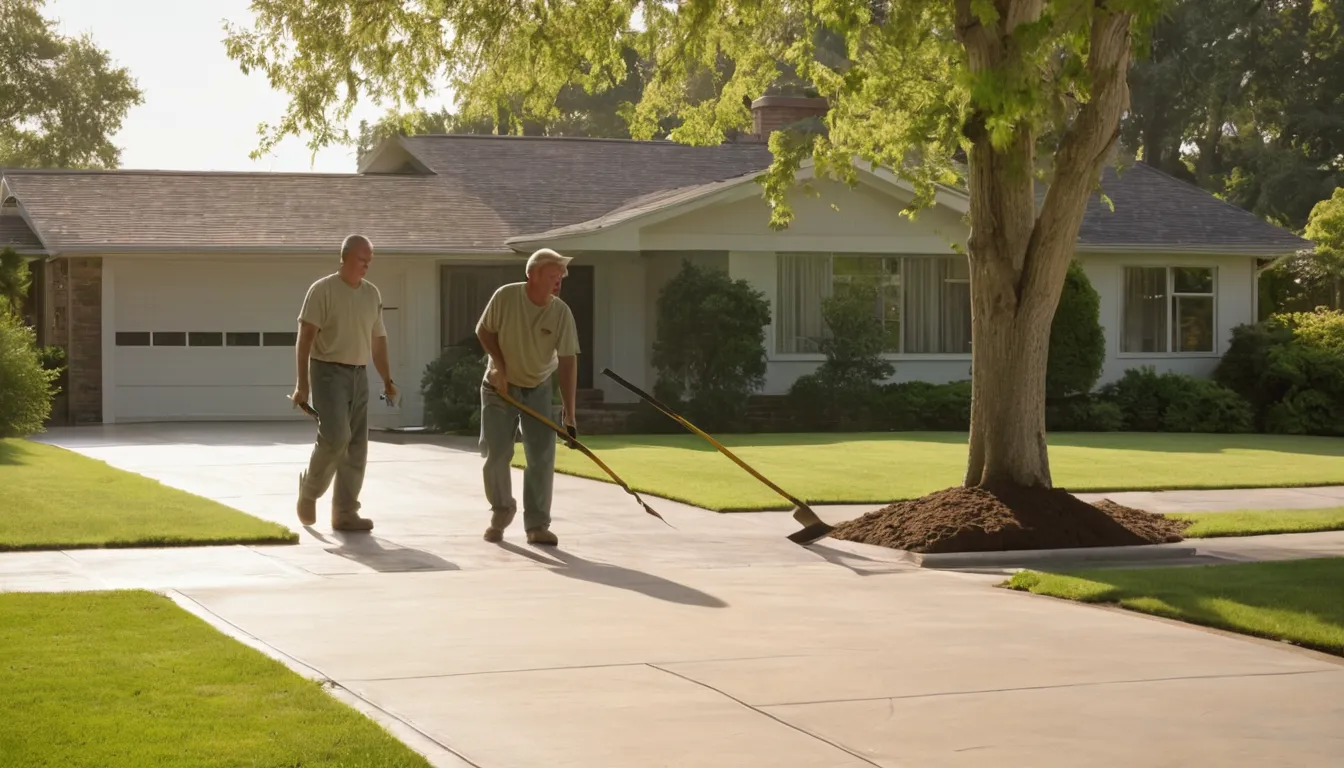
A concrete driveway is the largest flat surface most homes have, and it works hard every day. Cars press down on it, rain soaks under it, and summer heat makes it expand. When an older slab keeps cracking or sinking, a full replacement can make more sense than another patch. Aestheticsbylouise Concrete helps homeowners plan that step calmly.
Aestheticsbylouise Concrete is a referral service. It connects you with independent local providers in the Bellaire area who pour new driveways. The providers do the work, and each one sets its own schedule and price. This page explains how the process works, what affects the cost, and what older homes need, so you can ask clear questions before you agree to anything.
Is your old driveway past saving?
Think of a driveway like the sole of a favorite shoe. You can glue a loose edge for a while, but at some point the whole sole is worn through. Concrete reaches that point too, and it helps to know the signs before small problems grow.
Signs that point to replacement
Look for cracks wider than a pencil, slabs that sit at different heights, and broken corners. Pooling water after rain is another clue. So is a surface that flakes or turns to powder. One or two of these may be fixable. Several together usually mean the slab has run its course.
When repair still makes sense
Concrete driveway repair can suit a few thin cracks or one small sunken spot. The slab underneath must still be solid, though. A provider can press on the problem areas and tell you honestly which path fits. Patching a failing slab is a bit like painting over a damp wall. It looks fine for a season, then the trouble returns.
Request an Estimate
Special care for older homes
Older houses have had more years for things to change. The ground has shifted, trees have grown, and earlier owners may have made repairs nobody wrote down. That is why a slower look pays off here. Slow down, then pour.
Look below first
A driveway is only as steady as the soil under it. Picture a table on a wobbly floor. The table is fine, but it still rocks. Old base layers can wash out or settle, so a good provider checks what lies under the slab before planning the new one.
Past repairs and hidden surprises
When the old driveway comes out, providers sometimes find patched sections, buried pipes, old drain lines or thin spots. Ask each provider how they handle surprises and how changes to the price are explained. A written plan keeps everyone on the same page.
When the house itself needs a look
If you also see cracks in walls or sticking doors near the driveway, have foundation repair experts examine the house first. Water that runs toward the home can hurt a foundation, and a new slab should send it away instead.
What a new driveway project includes
Most projects follow the same path. The old concrete is broken up and hauled away. The ground is leveled and a gravel base is packed down. Forms mark the edges, steel mesh or rebar may go in, and the concrete is poured and smoothed. This work belongs to the wider world of concrete flatwork, which covers any flat slab around a home.
Choosing size, thickness and finish
Measure how many cars you park and where guests stop. A wider spot near the door saves lawn edges from tire damage. Most home driveways are about four inches thick, and heavier trucks or RVs may call for more. Think of it like a floor in a busy kitchen. The more weight, the sturdier it should be.
For the surface, a broom finish gives grip when wet. Color and stamped patterns can add style, though they cost more. Stamped concrete patios use similar methods, but a driveway needs a rougher texture so tires and shoes stay steady in rain.
Planning for heat and heavy rain
Concrete cures well when it is not baked or soaked. Hot, humid summers dry the top too fast, so providers often pour early in the day or pick milder weeks. Tropical downpours need a plan for runoff. A gentle slope and well-placed joints let water leave while the slab moves with the heat.
Request an Estimate
Permits and the street apron
The apron is the short section where your driveway meets the street. It often sits on city ground, so it may follow different rules than the rest. Some towns require a permit, a set width or an inspection. Providers who work nearby usually know the steps. Ask who will handle the paperwork, and keep a copy for your records.
Plan around life
A driveway is blocked while it cures, which can feel like losing a front door. Tell each provider about school runs, work shifts and deliveries. Ask for the dates in writing. Many families park on the street or with a neighbor for a few days. Planning ahead turns a big disruption into a small one.
Choosing a concrete provider
Talk to more than one provider and compare written quotes line by line. Check that each quote lists removal, base work, thickness, finish, joints and cleanup. Ask about local licensing and insurance, and ask to see proof. Aestheticsbylouise Concrete only makes the introduction. The provider you pick signs the agreement with you and does the work.
After the pour
Keep cars and heavy items off the slab until the provider says it is ready. Foot traffic often comes first, vehicles later. Wet the surface lightly if advised, and keep sprinklers pointed away. A sealer, applied when the provider suggests, helps the surface shed water and stains.
Ready to compare options? Request a callback to check provider availability, or send a request below.
Request an Estimate
What's Included
Old slab removal and haul-off
Breaking up the worn concrete, clearing debris and checking what lies beneath before anything new goes down.
Base and grading
A packed gravel layer and gentle slope so the new slab sits steady and sheds water.
Forms, steel and pour
Edges are framed, reinforcement is placed, and the concrete is poured, leveled and finished.
Joints, curing and cleanup
Cut joints control cracking, the slab cures properly, and the site is tidied afterward.
Typical new driveway cost ranges in the U.S.
Prices vary by size, soil, finish and local rules. These are typical U.S. ranges only, so ask each provider for a written quote that lists every item.
| Item | Typical range | Notes |
|---|
| Plain broom-finish concrete | $6 – $12 per sq ft | Most common choice for a home driveway |
| Two-car driveway, complete | $3,500 – $8,000 | Based on roughly 500 sq ft; size changes the total |
| Old slab removal and haul-off | $1 – $3 per sq ft | Thicker or reinforced concrete costs more |
| Gravel base and grading | $500 – $2,000 | Soft or uneven soil can raise this |
| Stamped or colored finish | $4 – $12 extra per sq ft | Adds style but needs more skill and time |
| Permit and street apron work | $50 – $1,500 | Rules and fees differ by town |
Request an Estimate
How It Works
Tell us about it
Share your address, the age of your home and what is wrong with the driveway today.
Get matched with providers
Aestheticsbylouise Concrete connects you with independent local providers who handle new concrete driveways.
Compare written quotes
Review each plan for removal, base, thickness, finish and timing before you choose.
Schedule around your life
Agree on dates that fit your household, then let the chosen provider do the work.
Why Call Aestheticsbylouise Concrete
Clear first introduction
Aestheticsbylouise Concrete explains how the process works before you talk to any provider, so you start informed.
Independent providers
Local providers do the work and set their own prices, so you can compare real quotes.
Older-home focus
Aging slabs, past repairs and hidden surprises get a slower, more careful conversation from the start.
Low disruption
Ask providers to plan around school runs and work, so daily life keeps moving.
Other Services